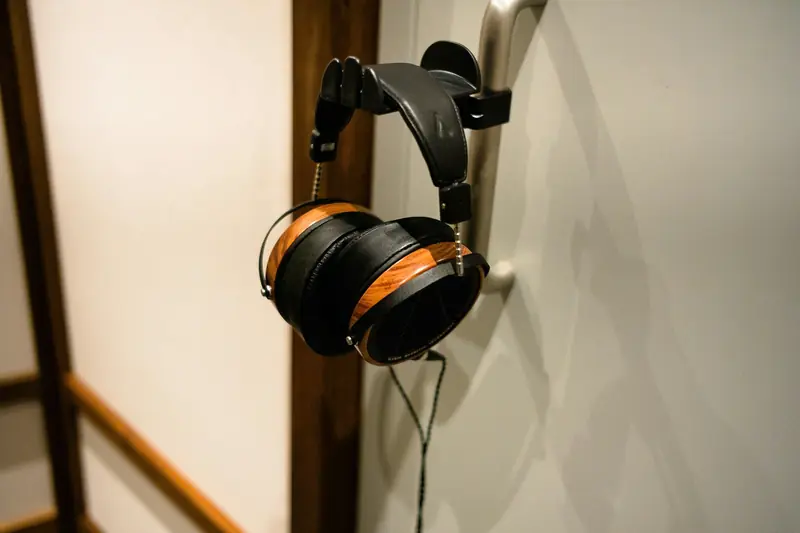

Open-Back vs Closed-Back Headphones: Which Should You Buy?
Closed-back headphones seal each ear and keep sound in. Open-back headphones let air and sound pass through the cups. The choice shapes where you can use them more than almost any spec, so start by thinking about the room you listen in.
Open-back headphones: the better choice if…
- You listen at home in a quiet room.
- You want a wider, airier sound for music or gaming.
- You do not mind others hearing a little of what you play.
Closed-back headphones: the better choice if…
- You commute, travel or work in a shared space.
- You want sound kept in and noise kept out.
- You plan to use noise cancelling to keep the volume lower.
Jump to section
At a glance
| Point | Open-back headphones | Closed-back headphones |
|---|---|---|
| Isolation and leakage | Lets sound in and out | Seals sound in and out |
| Soundstage | Wider, more airy | More enclosed, closer |
| Best uses | Studio, quiet desk, gaming | Commute, office, travel |
| Comfort and heat | Air flows through cups | Cups can feel warmer |
| Amp needs | Depends on impedance | Depends on impedance |
| Price | Check the current price on Amazon | Check the current price on Amazon |
Isolation and leakage
Open-back cups let sound pass in both directions. You hear your room, and people near you can hear a little of your music. Closed-back cups seal around the ear, so less sound leaks out and less noise gets in. If you listen on a train, plane or in a shared office, closed-back is the practical choice. Noise-cancelling models are closed designs that add active cancelling on top.
Soundstage
Open-backs are chosen for a wider, more airy sense of space, because the cups do not trap sound. Closed-backs tend to feel more enclosed. This is a matter of impression rather than a spec, so treat maker descriptions as claims. Our open-back buying guide lists the specs that do matter.
Best uses
Open-backs suit quiet rooms: a studio, a desk, gaming or critical listening at home. Closed-backs suit commuting, travel, open-plan offices and anywhere you need privacy. Many people end up owning one of each, a closed pair for the trip and an open pair for the evening.
Comfort and heat
Open cups let air move, so an open pair can feel cooler in long sessions. Closed cups hold warmth, which some people notice in summer. Comfort depends more on weight, clamp and pad material than on the design, so check those columns in the spec table of each guide.
Amp needs
Whether you need an amp depends on impedance, not on whether the headphones are open or closed. High-impedance headphones, from about 250 Ω, generally need a powerful amp, and low-impedance models of 16 to 32 Ω suit phones and laptops (beyerdynamic). See our impedance guide.
Price
Both designs come at every budget, so price should not decide the design. Decide by where you listen, then compare within that type. Once you have a shortlist, check the current price of each pair on Amazon. For a lower budget, see our budget headphones guide.
Which should you buy?
If you listen at home and want a roomy sound, buy open-back headphones. If you travel or share space, buy closed-back, and for the quietest result choose noise-cancelling headphones. On a budget, look at headphones for less first.
Alternatives
Not sure about over-ear at all? Compare wireless earbuds or read IEMs vs earbuds.
FAQ
Can I use open-back headphones on a plane?
Open-backs let sound pass in and out of the cups, so they belong in a quiet room rather than on a commute or a plane.
Do open-back headphones need an amp?
That depends on impedance, not on the design. Beyerdynamic says headphones from about 250 Ω generally call for a powerful amp (beyerdynamic).
Which is better for gaming?
Open-backs suit a desk where you want a roomy sound, and closed-backs suit a shared room. If the pair has no microphone, add a separate one.
Related
-
Buying guide
Best Open-Back Headphones
Impedance, sensitivity, driver, weight, cable and pads, side by side.
-
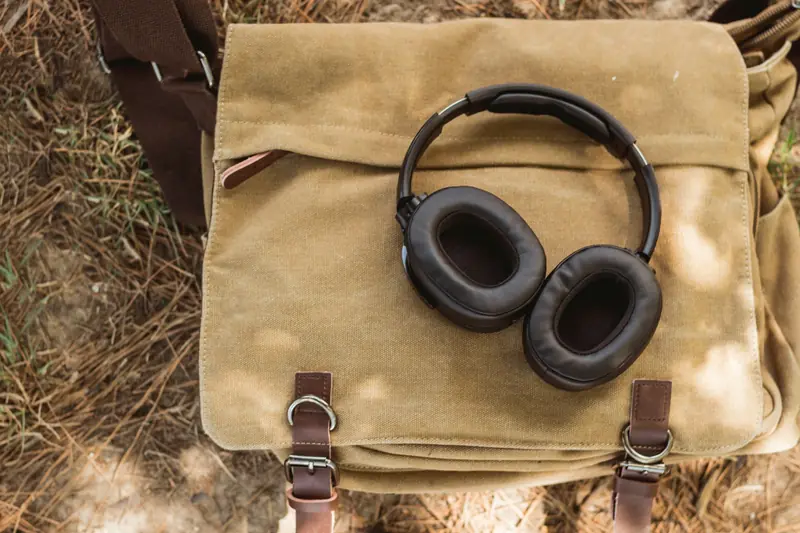
Buying guide
Best Noise-Cancelling Headphones
ANC type, battery with ANC on, weight, codecs and wired options, side by side.
-
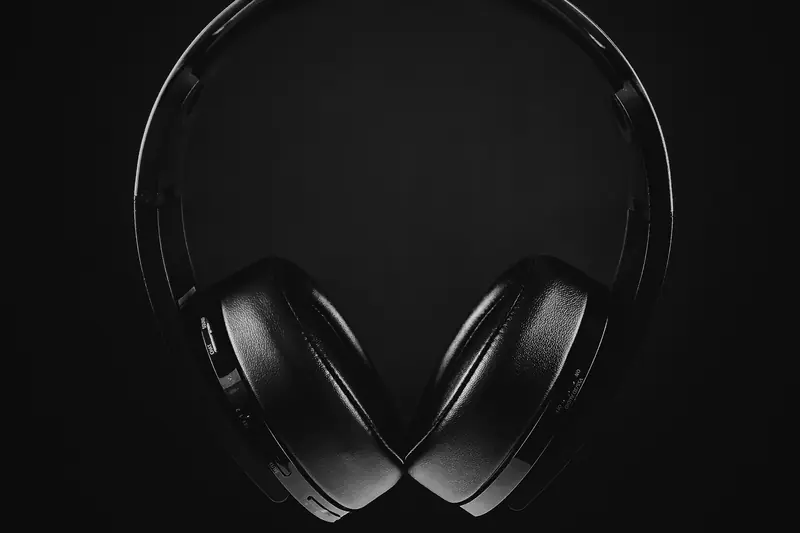
Buying guide
Best Headphones Under $100
Type, ANC, battery, weight, codecs and wired option, side by side.
-
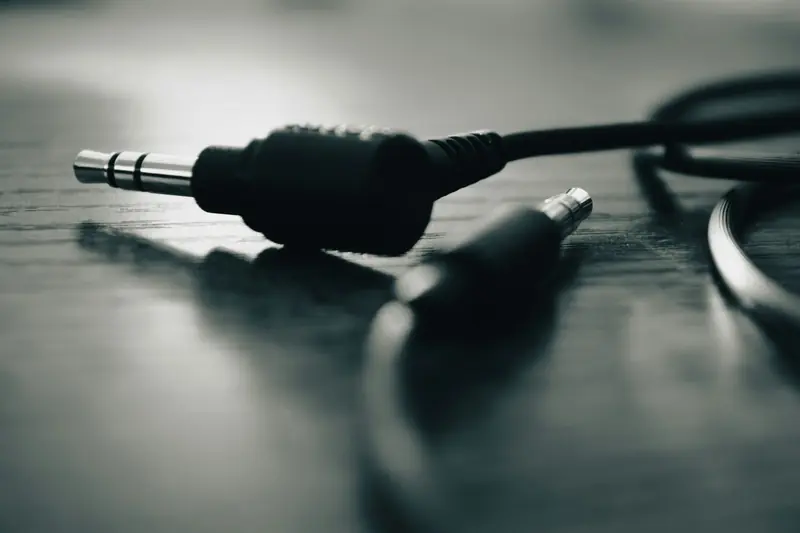
Guide
Headphone Impedance Explained: Ohms, Sensitivity and Amps
What ohms and sensitivity mean, and when you need an amp.
-

Guide
How Loud Is Too Loud for Headphones? A Safe Listening Guide
The 70 and 85 dBA lines, the 3 dB rule and WHO's weekly allowance, explained.
Get the Overtone Setup Card
A printable card with the steps for setting up a turntable and placing speakers, plus one hearing-safety reminder. Free, and sized for a shelf or a wall.