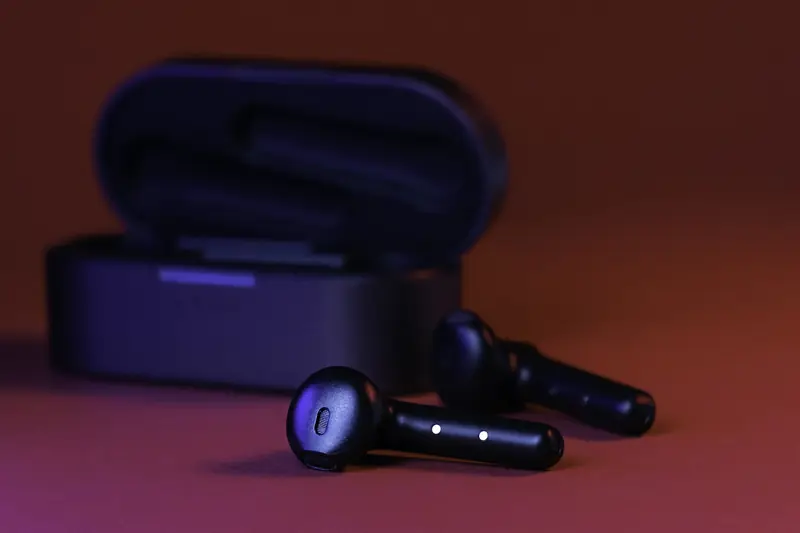
Best Wireless Earbuds
True wireless earbuds are the easiest way to listen on the move, but they differ a lot in fit, battery and the codecs they share with your phone. The main decisions are how they sit in your ears, whether you want noise cancelling, and how well they pair with an iPhone or an Android phone. This page is for commuters, gym-goers and anyone replacing stock earbuds.
Jump to section
What we look for
Fit and ear-tip sizes
a secure fit seals out noise and keeps the bass steady.
ANC and transparency mode
noise features change how loud you need to play music.
Battery for buds and case
the case recharges the buds, so both numbers decide how often you plug in.
Codec and phone ecosystem
the codec has to match what your phone can send.
Water resistance (IP rating)
an IP rating tells you how well the buds handle sweat and rain.
Call quality and LE Audio
microphones and newer standards affect calls and future features.
- Sources: maker product pages, manuals and spec sheets, plus Apple, Bluetooth SIG for the facts behind the advice.
How to choose the right wireless earbud
Wireless earbuds all promise the same thing. These six checks show where they differ. For wired alternatives, see IEMs vs earbuds, and for the codec basics read our Bluetooth codecs explained guide.
Fit and ear-tip sizes
Fit comes first because it affects everything else. Look for several ear-tip sizes in the box and consider the shape of the bud, which sits either in the bowl of the ear or deeper in the canal. The weight per bud in the spec table gives a rough idea of how heavy they feel over a long session. If the first size is not right, a spare size is a cheap fix, so check that the maker sells extra tips.
ANC and transparency mode
If you commute, check the ANC column. A transparency mode lets outside sound in so you can hear traffic or announcements, and ANC lets you keep music quieter. NIDCD considers a daily average of 70 dBA or lower safe for most people (NIDCD), and our safe listening guide lists the other levels it gives.
Battery for buds and case
Compare the hours for the buds alone and the total with the case. A commuter needs the buds to last a day; a traveler cares more about the case total. Wireless charging is convenient if your desk or nightstand already has a pad.
Codec and phone ecosystem
The codec has to match what your phone can send. Apple lists most AirPods and Beats wireless models as using the Apple AAC Bluetooth codec (Apple). Check which codecs your own phone supports in its settings or manual. Read our Bluetooth codecs guide before you pay extra for a codec your phone cannot use.
Water resistance (IP rating)
The IP rating describes dust and water resistance. Compare the rating in the spec table rather than relying on words like sweatproof. Treat the rating as a maker claim for new buds, and check the manual for what it covers. If you train outdoors, look for a rating at the higher end of what the listing offers, and keep the manual handy.
Call quality and LE Audio
Call quality varies, and the maker's description is a claim, not a measurement. For the future, look for LE Audio and Auracast support, which the Bluetooth SIG describes as the basis for broadcast audio (Bluetooth SIG).
Tips for using your wireless earbud
- Try each ear-tip size before you decide. A poor seal costs you bass and noise isolation.
- Check your phone's supported codecs in its settings or manual before you pay for a codec it cannot use.
- Keep listening levels moderate: see our safe listening volume guide.
- Want noise cancelling over the ear? Compare noise-cancelling headphones. Check the case total and the wireless charging column if you travel, so you know how far a single trip will stretch. If you take many calls, read the maker's microphone notes as claims and check the multipoint column to see whether the buds can stay connected to two devices.
FAQ
What codec do Apple earbuds use?
Most AirPods and Beats wireless models use Apple's AAC Bluetooth codec, according to Apple's own list (Apple).
What are LE Audio and LC3?
LC3 is the codec in LE Audio. The Bluetooth SIG says it improves on SBC quality even at a 50% lower bit rate, and that LE Audio enables Auracast broadcast audio (Bluetooth SIG).
What does the IP rating mean?
It is a rating for dust and water resistance. The IP rating column in the spec table lets you compare each pair.
How loud is safe?
NIDCD considers a daily average of 70 dBA or lower safe for most people. It also notes that headphones can reach 110 dBA at maximum volume (NIDCD).
Related
-
Buying guide
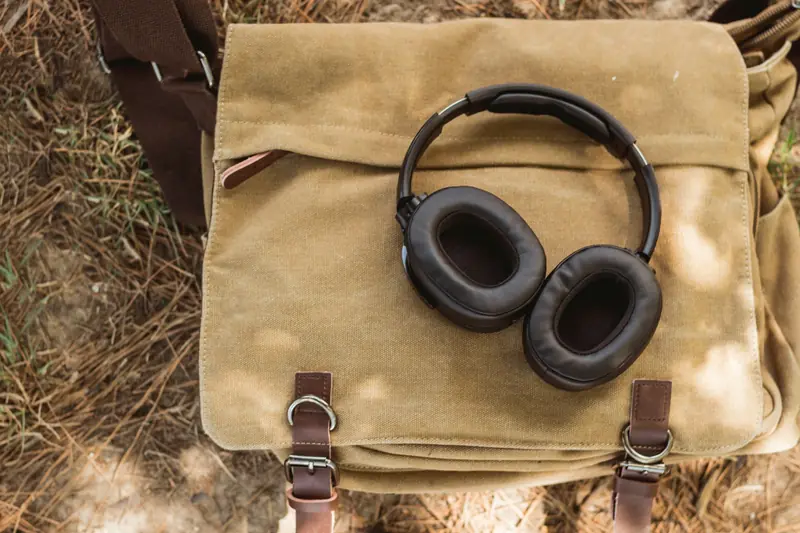
Best Noise-Cancelling Headphones
ANC type, battery with ANC on, weight, codecs and wired options, side by side.
-
Buying guide
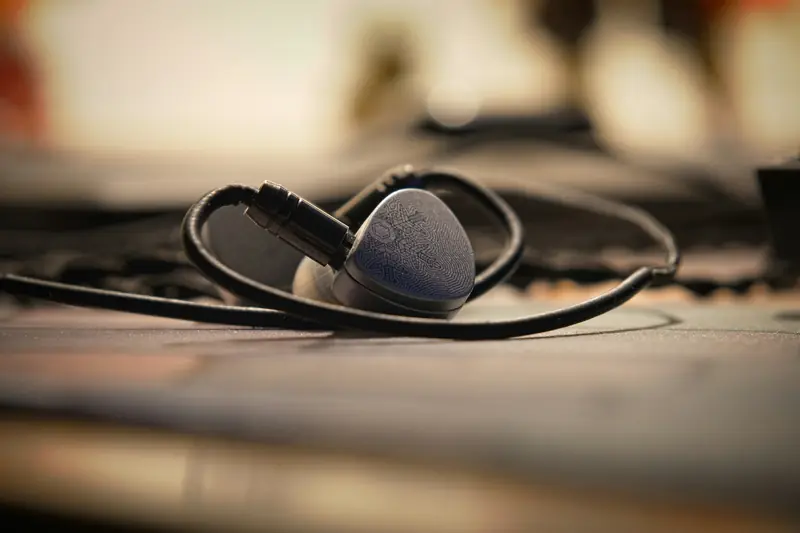
Best IEMs Under $100
Tuning, drivers, impedance, cable connector and plug, side by side.
-
Comparison
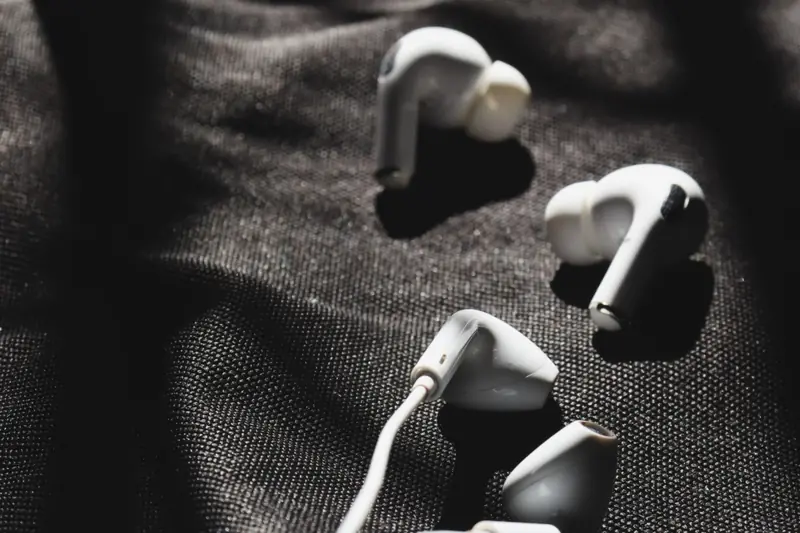
IEMs vs Earbuds: What's the Difference?
Deep-fit wired monitors, or easy wireless earbuds.
-
Buying guide
Best Headphones Under $100
Type, ANC, battery, weight, codecs and wired option, side by side.
-
Guide
Bluetooth Codecs Explained: SBC, AAC, LDAC and LC3
What SBC, AAC, LDAC and LC3 do, with maker figures labeled as claims.
-

Guide
How Loud Is Too Loud for Headphones? A Safe Listening Guide
The 70 and 85 dBA lines, the 3 dB rule and WHO's weekly allowance, explained.

Get the Overtone Setup Card
A printable card with the steps for setting up a turntable and placing speakers, plus one hearing-safety reminder. Free, and sized for a shelf or a wall.