
Do You Need a DAC? When It Helps (and When It Doesn't)
What a DAC does, when built-in is enough and when a dongle helps.
Quick answer
Many people do not need an external DAC. Apple says iPhone and iPad need one only to play songs at sample rates above 48 kHz, and lossless playback needs a wired connection (Apple). A DAC with an amp helps most when your headphones are hard to drive, as beyerdynamic explains (beyerdynamic).
Jump to section
What a DAC and an amp do
A digital-to-analog converter, or DAC, turns the digital audio in a file or stream into the analog signal that headphones play. An amplifier, or amp, raises that signal so it can move the headphones. Any device that plays sound through a headphone jack already has a DAC and an amp inside. The question is whether an external one adds anything for you.
The path from a file to your ears has four stops:
- The file or stream holds the music as digital numbers.
- The DAC converts those numbers into a small analog signal.
- The amp gives that signal enough voltage and current to move the headphones.
- The headphones turn it into sound.
An external DAC/amp replaces steps 2 and 3 with its own parts. That helps only if the built-in parts are the weak link, which depends on the headphones you own and the device you play from.
A lot of the products sold as "DAC/amp" combine both jobs in a small box. Our guide to the best DAC/amp combos compares them. This guide helps you decide whether you need one at all, so you do not buy a box you will not use.
CD quality vs hi-res sample rates
Digital audio is described by two numbers: the sample rate and the bit depth. The Library of Congress says 44.1 kHz sampling is standard for audio CDs (Library of Congress), and that audio CDs use a 44.1 kHz sampling rate with 16-bit samples. The CD standard, IEC 60908 (the "Red Book"), covers 16-bit LPCM (Library of Congress).
Hi-res files use higher sample rates than that. Whether you can hear a difference depends on your headphones, your ears and the recording, and we do not make claims either way. The bit depth is the second number: CDs use 16-bit samples, as the Library of Congress notes above. What matters for buying is what your source can output. Apple says iPhone and iPad need an external digital-to-analog converter to play songs at sample rates above 48 kHz, and that 14- and 16-inch MacBook Pro models play up to 96 kHz natively (Apple).
| Source | What Apple says |
|---|---|
| iPhone and iPad | Need an external DAC for sample rates above 48 kHz |
| 14- and 16-inch MacBook Pro | Play up to 96 kHz natively |
Phones and computers: when built-in is enough
If you play CD-quality files or streams through low-impedance headphones, a phone or laptop is usually all you need. beyerdynamic says low impedance (16 to 32 Ω) works best with smartphones, laptops and other mobile devices, and that headphones below 100 Ω are designed for mobile use (beyerdynamic).
The limits are power and connection. beyerdynamic says most smartphones and notebooks do not supply as much power as a hi-res player or stereo system, and suggests a portable DAC with a built-in amp for mobile use (beyerdynamic). That is a maker's blog, so read it as the maker's view. A phone with no headphone jack also needs a dongle just to plug in wired headphones.
A simple test helps. Play a track you know well at a comfortable level in a quiet room. If the headphones reach that level easily and the sound is clean, the built-in parts are doing their job. If they only reach it near maximum volume, that points to a power mismatch, but do not fix it by listening louder than is safe. See the safety note below, and check the impedance in the spec table first.
So you may not need a DAC if:
- You use Bluetooth headphones or earbuds.
- Your headphones have low impedance, and the volume is high enough.
- You play CD-quality music from a phone or a laptop.
You may want one if:
- Your phone has no headphone jack and you want to use wired headphones.
- Your headphones have high impedance and play too quietly.
- You want to play files above 48 kHz from an iPhone or iPad.
Bluetooth isn't lossless
An external DAC does nothing for Bluetooth headphones, because the conversion happens inside the headphones. Apple states that "Bluetooth connections aren't lossless," and that most AirPods and Beats wireless models use the Apple AAC Bluetooth codec. It also says lossless playback needs a wired connection to headphones, receivers or powered speakers (Apple).
If you want to hear lossless audio, that means a wired path from your device. Our guide to Bluetooth codecs explains what each codec does and why none of them is lossless. For wired listening, a DAC can make sense, and our IEM guide covers low-impedance options.
Impedance and power
Impedance, measured in ohms (Ω), is the electrical resistance of a wired headphone. beyerdynamic says the higher the impedance, the more voltage the headphones need to play loud enough (beyerdynamic). That is where an amp comes in, because an amp can supply more voltage than a phone.
beyerdynamic gives an example with one headphone model. The 32 Ω DT 770 PRO suits computer soundcards, audio interfaces and portable players, and the 250 Ω version suits mains-powered studio or hi-fi amplifiers (beyerdynamic support). Same headphone family, different needs.
Our guide to headphone impedance goes through the numbers, and our list of open-back headphones shows models where impedance is a bigger factor.
Dongle vs desktop
A dongle DAC/amp plugs into the digital port of a phone or laptop and takes its power from the device, so it adds a connector and uses some battery. It is small, cheap to carry and useful if your phone has no headphone jack. A desktop DAC/amp sits on a desk, has more inputs and outputs and often uses its own power supply.
Neither type changes the music itself. A better DAC/amp cannot add detail that is not in the file, and it cannot fix headphones that do not suit your taste. What it can do is supply enough power for headphones that need it and give you a headphone connection your phone lacks.
Choose by where you listen. If you listen on the move, a dongle fits. If you listen at a desk with a high-impedance pair, a desktop unit may suit better. In both cases, check the output power at your headphones' impedance, the inputs your devices need and the maximum sample rate.
Before you buy, run through this short checklist.
- Look up your headphones' impedance in the spec table.
- Check whether your phone or laptop has a headphone jack.
- Decide if you need to play files above 48 kHz from an iPhone or iPad.
- Compare the output of the DAC/amp at your headphones' impedance.
Write your answers down before you shop. They become the filters you apply to the spec table: the form, the inputs your devices need, the outputs your headphone cables use and the output power at your impedance. Anything outside those filters is a distraction.
If you answered no to all four, a phone or laptop is probably enough. If any of them apply, a DAC/amp from our comparison is worth a look.
Gear that helps
-
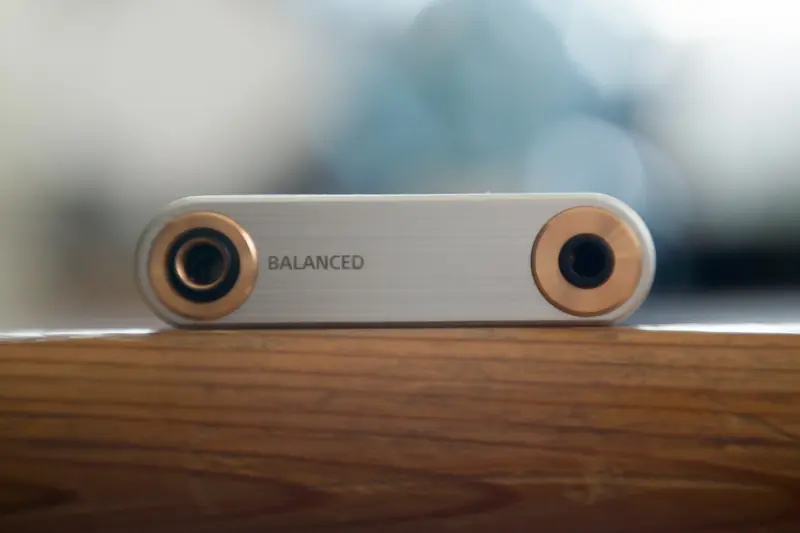
Best DAC/Amp Combos for Headphones
Compare the inputs, outputs and power of DAC/amp combos and dongles.
-
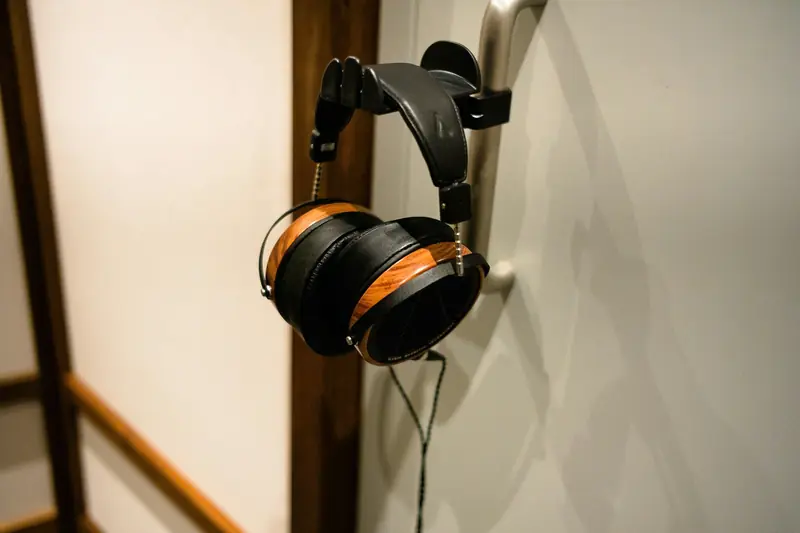
Best Open-Back Headphones
Check the impedance of open-back models: from about 250 Ω, an amp helps most.
-
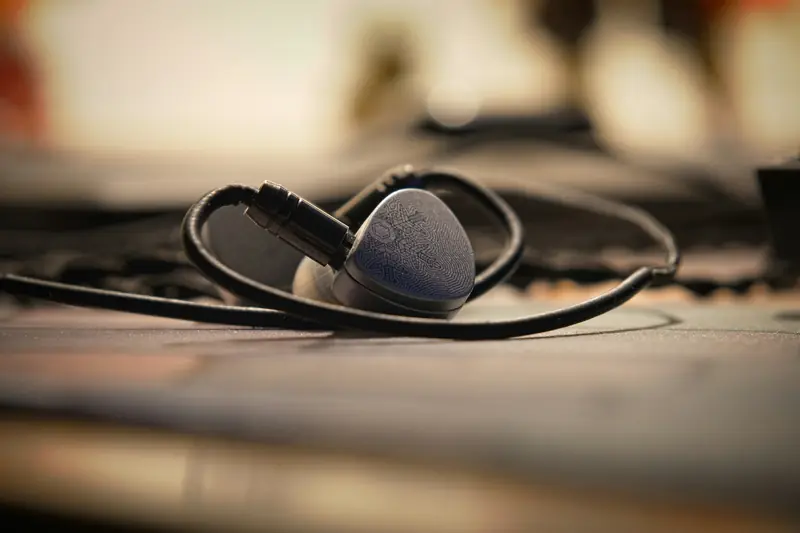
Best IEMs Under $100
Low-impedance IEMs are designed for phones and laptops, so a dongle matters mostly for a phone with no headphone jack.
FAQ
Will a DAC improve Bluetooth earbuds?
No. Bluetooth connections aren't lossless, and lossless playback needs a wired connection (Apple).
Do I need a DAC for IEMs?
Low-impedance models of 16 to 32 Ω are designed for phones and laptops (beyerdynamic). A dongle helps if your phone has no headphone jack.
Related
-
Buying guide
Best DAC/Amp Combos for Headphones
Output power, inputs, outputs, sample rates and gain, side by side.
-
Buying guide
Best Open-Back Headphones
Impedance, sensitivity, driver, weight, cable and pads, side by side.
-
Buying guide
Best IEMs Under $100
Tuning, drivers, impedance, cable connector and plug, side by side.
-
Guide
Headphone Impedance Explained: Ohms, Sensitivity and Amps
What ohms and sensitivity mean, and when you need an amp.
-
Guide
Bluetooth Codecs Explained: SBC, AAC, LDAC and LC3
What SBC, AAC, LDAC and LC3 do, with maker figures labeled as claims.
-
Guide
How Loud Is Too Loud for Headphones? A Safe Listening Guide
The 70 and 85 dBA lines, the 3 dB rule and WHO's weekly allowance, explained.
Get the Overtone Setup Card
A printable card with the steps for setting up a turntable and placing speakers, plus one hearing-safety reminder. Free, and sized for a shelf or a wall.