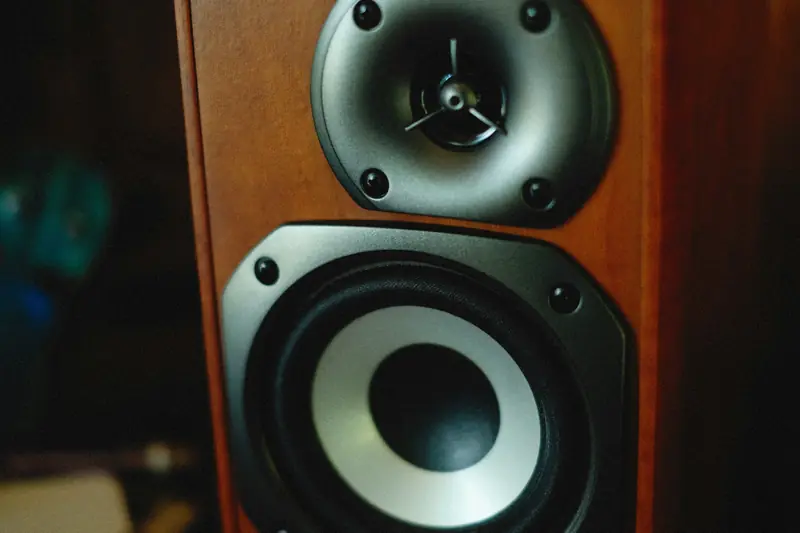
Best Bookshelf Speakers
A pair of bookshelf speakers gives you a stereo image that headphones and small Bluetooth speakers cannot match. The main decisions are passive or powered, how big they should be for your room and where the ports sit. This page is for listeners building a first hi-fi or upgrading from a soundbar.
Jump to section
What we look for
Passive or powered
passive speakers need a separate amp and powered speakers have one built in.
Sensitivity and amp pairing
the speaker and amp have to suit each other.
Size for your room
a bigger woofer plays lower, but a small room can get boomy.
Port position
rear ports need space behind the speaker.
Finish
the finish should suit the room you live in.
Stands
stands put the speakers at the right height and free up space.
- Sources: maker product pages, manuals and spec sheets, plus Audio-Technica, KEF for the facts behind the advice.
How to choose the right bookshelf speaker
Bookshelf speakers look similar until you read the spec table. If you are unsure about the amp, start with active vs passive speakers, and use the speaker placement guide to get the most from whatever you buy. The six checks below show where pairs really differ.
Passive or powered
This is the first choice, because it decides what else you need to buy. Audio-Technica puts it simply: powered (active) speakers have a built-in power amplifier, and passive speakers need a separate power amplifier (Audio-Technica). Passive pairs suit a stereo system you already own or plan to grow. Powered pairs suit a simpler setup. Our comparison of active vs passive speakers weighs the two.
Sensitivity and amp pairing
Check the sensitivity, impedance and recommended amp power columns, then compare them with your amplifier's rating. Sensitivity tells you how loud a speaker plays for a given input, and the recommended power tells you what the maker expects the amp to deliver. If the numbers are far apart, the speakers may play quietly or the amp may be pushed too hard. Powered models take this question off your list.
Size for your room
A bigger woofer can play lower, but a small room can turn boomy. Check the woofer and dimensions columns against the shelf or stand you plan to use, and leave space around the cabinet, since KEF recommends equal distances from the walls (KEF). In a small room, a smaller pair placed well often beats a large pair squeezed in.
Port position
Check whether the port is at the front or the rear. A rear port needs open space behind the speaker, so it is harder to use on a shelf pushed against a wall. A front port is more forgiving. KEF's typical optimal distance from the front wall is 300 to 1000 mm, about 1 to 3.3 ft (KEF), and our speaker placement guide explains how to apply it.
Finish
Look at the finish options on the listing, and check whether grilles are removable. It is a personal choice, but it is easier to live with a pair you like to look at.
Stands
Stands put the speakers at a useful height and free up the shelf. Dolby puts the best height for main speakers at about the level of your ears when you are seated, which is about 3.9 ft from the floor (Dolby). Check the dimensions column to match a stand to each speaker, and keep both speakers at the same height.
Tips for using your bookshelf speaker
- Put the speakers where you will actually listen. Our placement guide gives KEF's distances.
- Want a simpler setup? Compare powered bookshelf speakers.
- For vinyl, remember you need a phono preamp somewhere in the chain. See how to set up a turntable.
- Match the speaker's recommended amp power to your amp. Measure the shelf or stand, then compare the dimensions column, so the cabinet and port fit without crowding the wall.
FAQ
Do they need an amplifier?
It depends on the type. Audio-Technica explains that powered (active) speakers contain their own power amplifier, while passive speakers rely on a separate one (Audio-Technica).
Where should they go?
KEF suggests forming an equilateral triangle with your seat, and keeping the speakers 300 to 1000 mm (about 1 to 3.3 ft) from the front wall (KEF).
Can I connect a turntable?
Yes, but the signal needs a phono preamp first. Audio-Technica says that preamp can sit inside the turntable or be a separate unit (Audio-Technica).
Stands or shelf?
Stands are useful because Dolby puts the best height for main speakers at about seated ear level, roughly 3.9 ft from the floor (Dolby).
Related
-
Buying guide
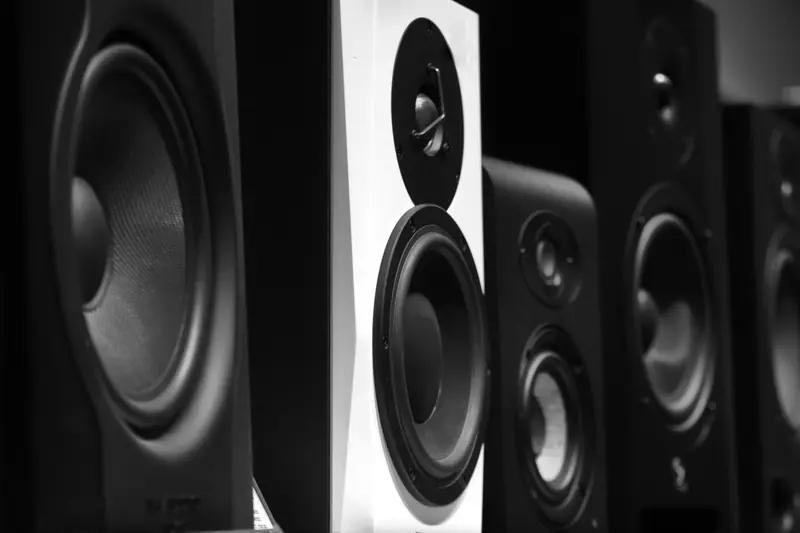
Best Powered Bookshelf Speakers
Amp power, inputs, phono preamp, HDMI ARC and Bluetooth, side by side.
-
Buying guide
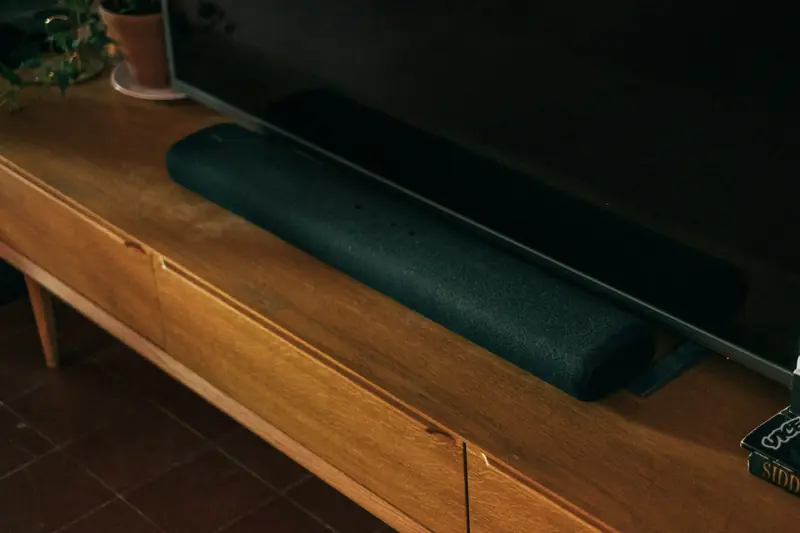
Best Soundbars for TV
Channels, Atmos, eARC, subwoofer, inputs and width, side by side.
-
Buying guide
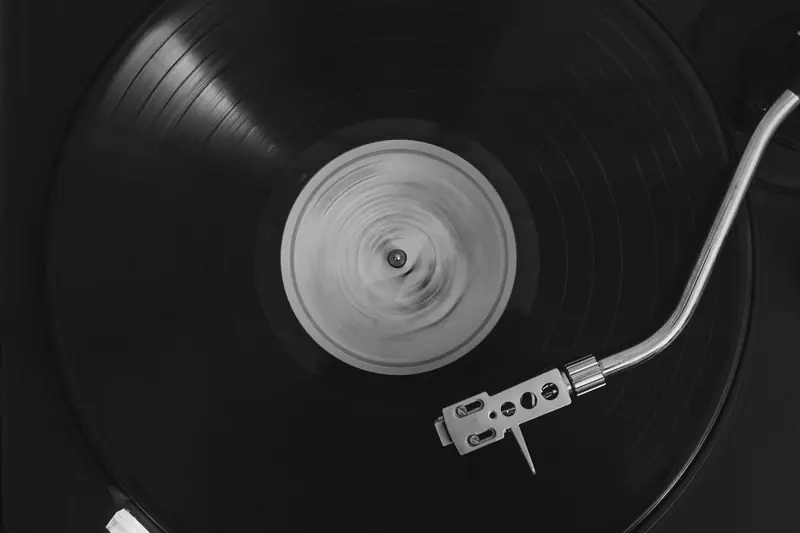
Best Turntables for Beginners
Preamp, tonearm adjustments, cartridge, drive and outputs, side by side.
-
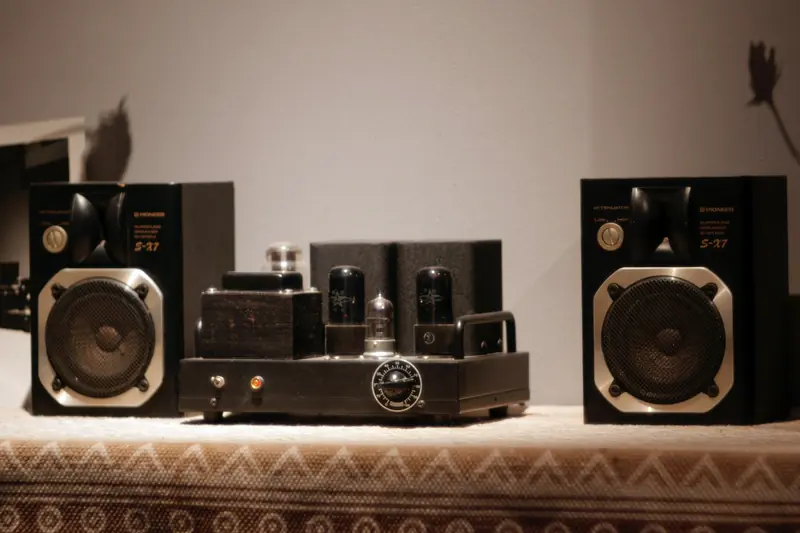
Comparison
Active vs Passive Speakers: Which Is Right for You?
A built-in amp for simplicity, or separate parts to upgrade.
-
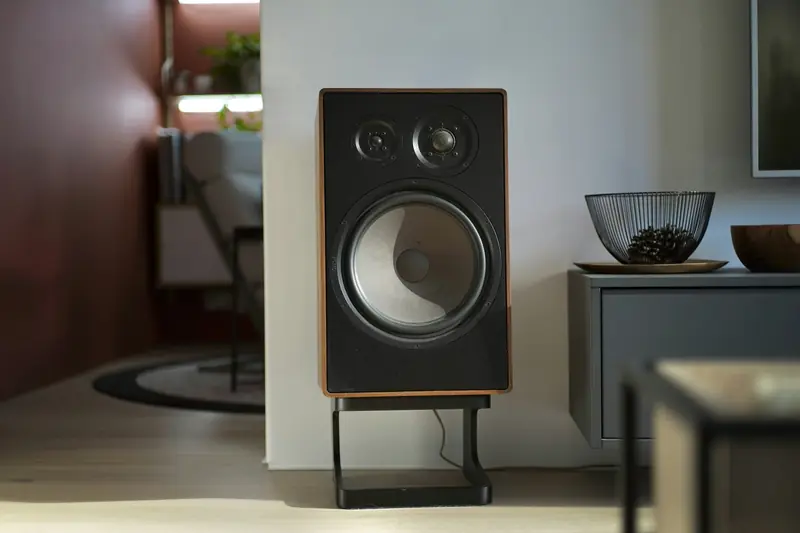
Guide
Speaker Placement Guide: Better Sound Without Spending More
The triangle, wall distances, ear height and toe-in, from KEF and Dolby.
-
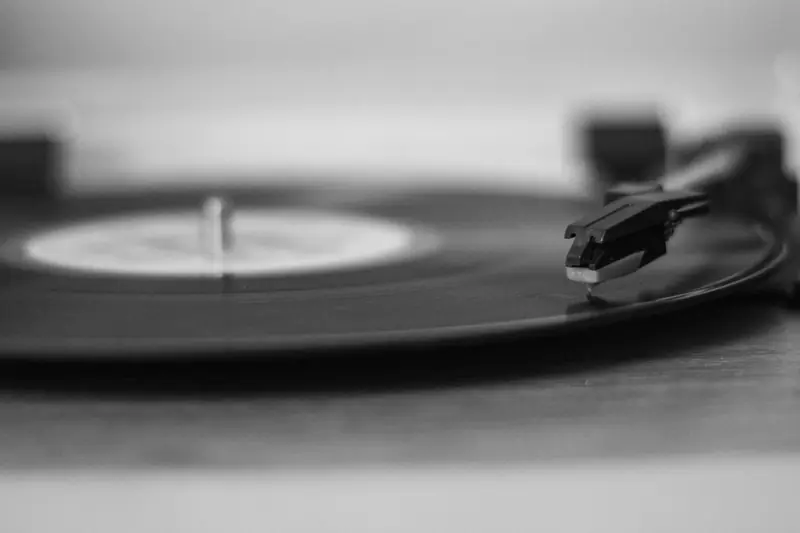
Guide
How to Set Up a Turntable: Tonearm, Tracking Force and Preamp
Balance the tonearm, set force and anti-skate, then pick PHONO or LINE.
Get the Overtone Setup Card
A printable card with the steps for setting up a turntable and placing speakers, plus one hearing-safety reminder. Free, and sized for a shelf or a wall.